Workouts for adults every Thursday
We play football against racism against sexism and homophobia to integrate migrants to include refugees to support women to tackle discrimination to promote fair play to break down stereotypes to learn from each other
Help refugees!
We want to reach more people from remote areas. We will organize new workouts, buy equipment and provide transport.
Inclusion
Football is for everyone. It is not about your skills but about your passion. That’s why our activities are free. All rosters are mixed – there are no national teams, men and women play together.
Our community
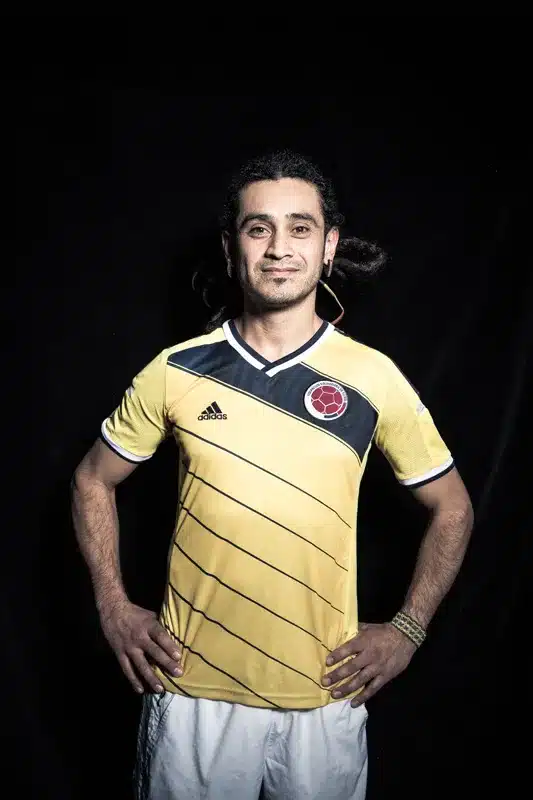
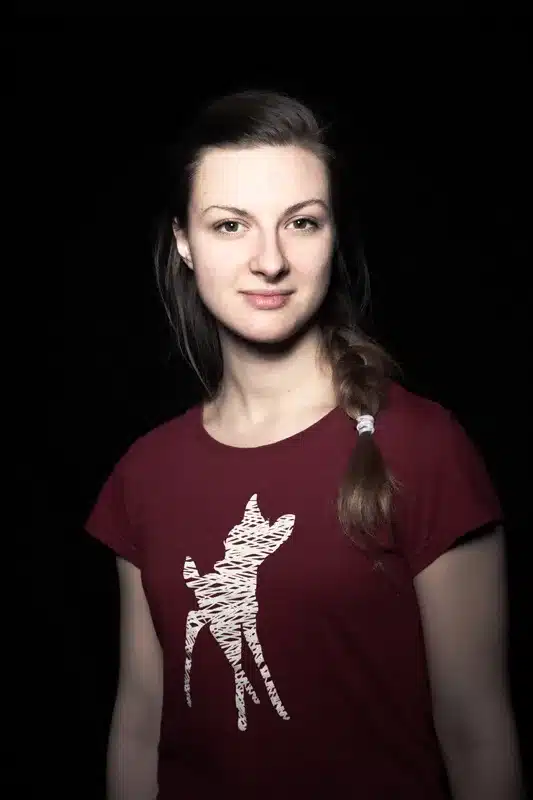
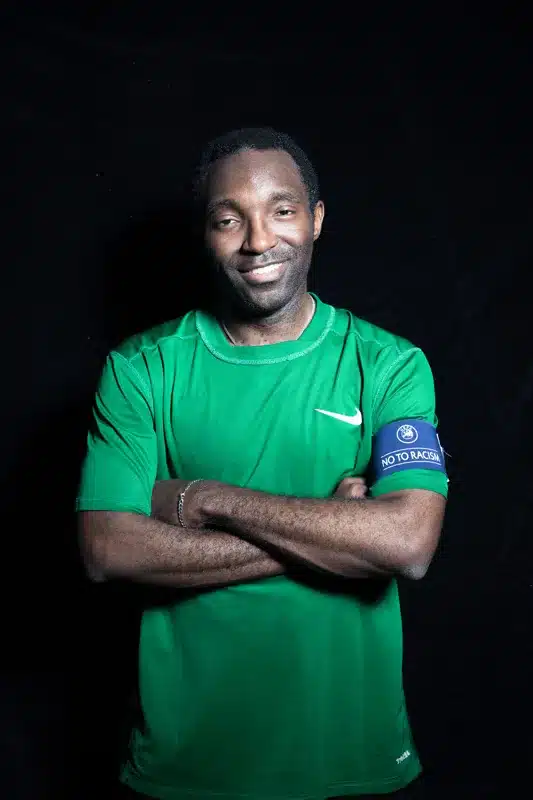
We are football lovers of different origins, ages, genders and social statuses who live in Warsaw, Poland. And we want to change the world through sport. We organize regular league, workouts and charity tournaments.
games per year
almost 20 years!
players a year
nations
UEFA Grassroots Award winner for Best Project 2020

Fair play
Participation is the key. Together we decide on the rules for each season. Our scoring system rewards respect and off-pitch cultural activities.
Beyond the game
We promote our vision of sport at schools and football clubs through workshops, toolkits and international projects.
Why sport?
It is one of the most underrated tools of social change. Sport plays an important cultural role and gives you a sense of belonging. A shared passion and universal principles are naturally linked to education. We use football to break stereotypes and find a common language between dispersed groups, especially those not participating in other forms of integration due to linguistic, psychological or financial barriers.
Why is it so important?
Too many disriminatory incidents can be seen on school pitches, local clubs and large stadiums. Some threw bananas at Dani Alves, others mocked up Samuel Eto’o and Vinicious Jr. Jews, Roma, LGBTQ+ and other groups are offended. Women are still not equally treated as male footballers. The industry doesn’t care about human rights and the climate. These are our problems because this is our sport and it depends on us.
What can we do?
Dani Alves ate the banana, Samuel Eto’o left the pitch. In Mexico, Maribel Domínguez fought to join men’s club. Predrag Pašić left Germany at the peak of his career to train children in besieged Sarajevo. Carlos Caszely opposed the Chilean dictatorship despite the torture. Sócrates took up democratic standards in his club. Didier Drogba used his position to lead peace in the war-torn Ivory Coast. In Poland, we created Etnoliga.